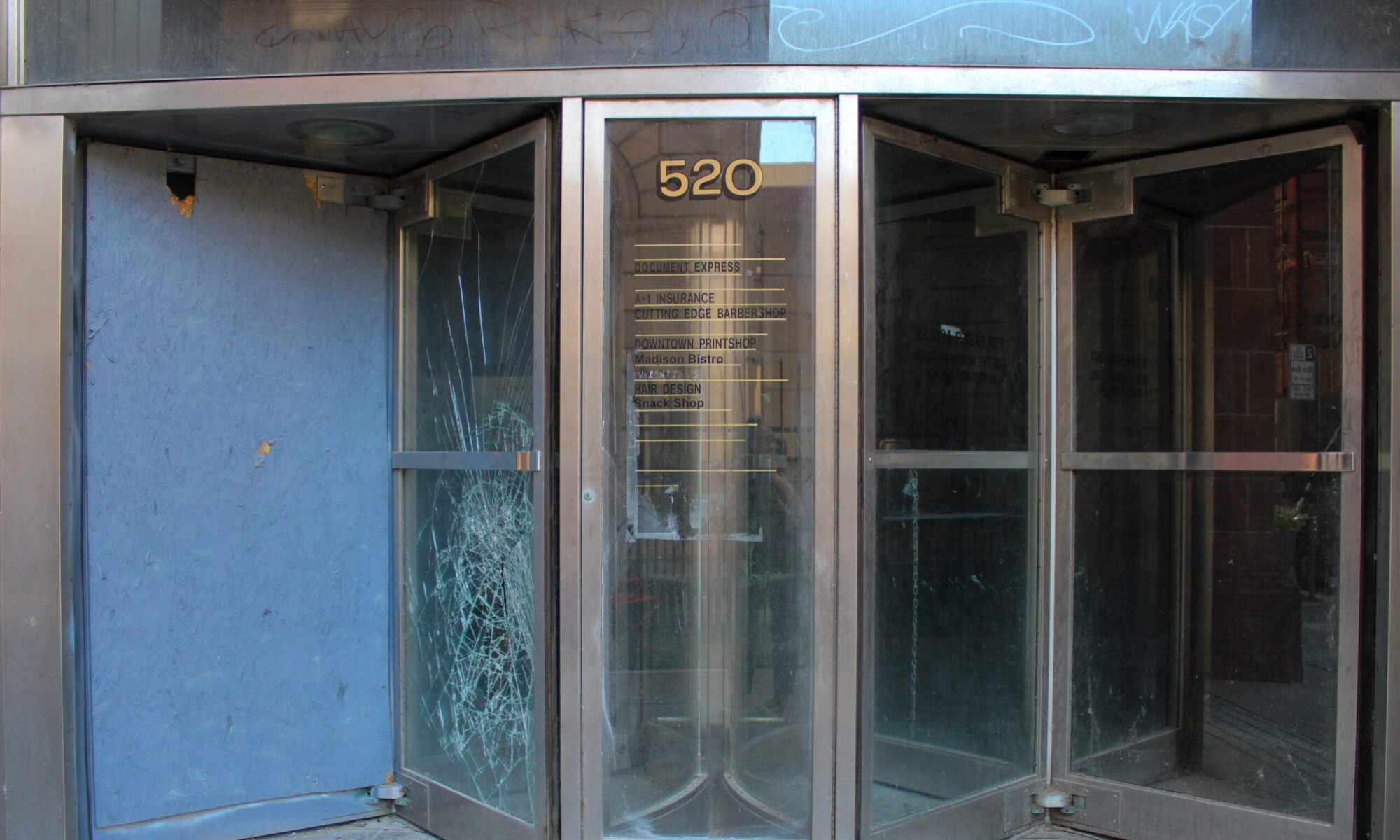
Examining the community impact of art in Toledo, Ohio
When Toledo is brought up in conversation with peers I tend to hear grief and whispers about the untrue stereotypes and associations that have formed over the yeas. However, I find it so interesting that hardly ever are the people sharing these falsities actually from Toledo.
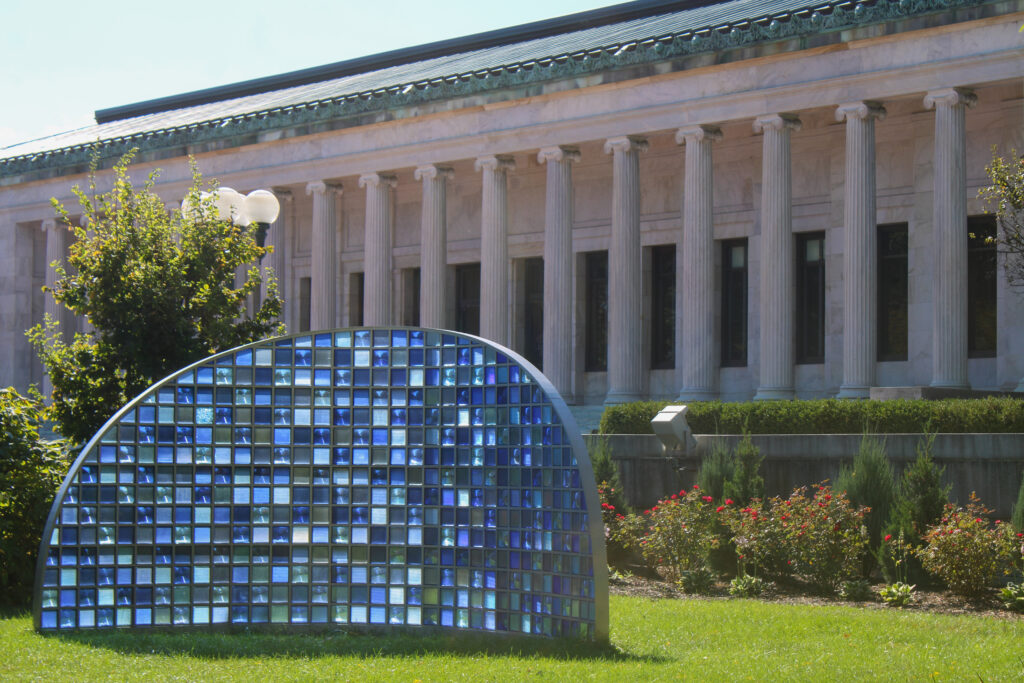
As a person from Northwest Ohio, my first thought when I think about home is art. The internet agrees: when I input “Toledo, Ohio,” into my search bar, one of the first results is the Toledo Museum of Art. The map of the museum is taped to my dorm wall and reminds me every day where I come from.
Toledo sprouted its roots for the arts when it became the world capital of glass, or “the glass city,” due to large natural fuel sources. Edward Drummond Libbey, of Libbey Glass, sought opportunity in Toledo for a glass company. He and Michael Owens, eventual founder of Owens-Illinois and creator of the automatic bottle process, made history as fathers of the glass industry in the city. Libbey used profits to help found Toledo’s prized museum.
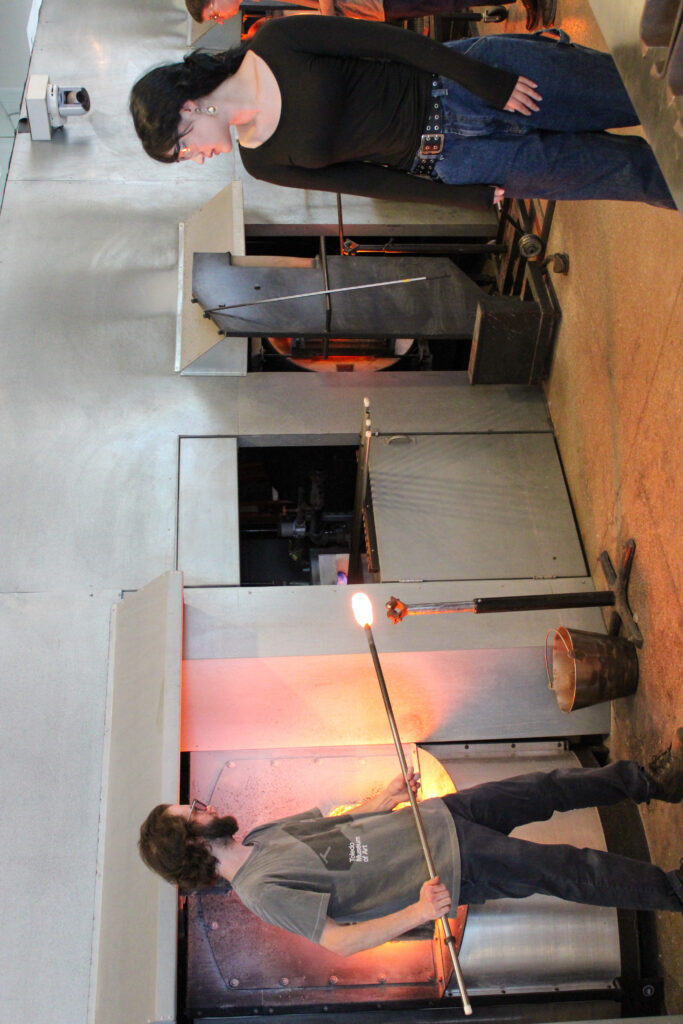
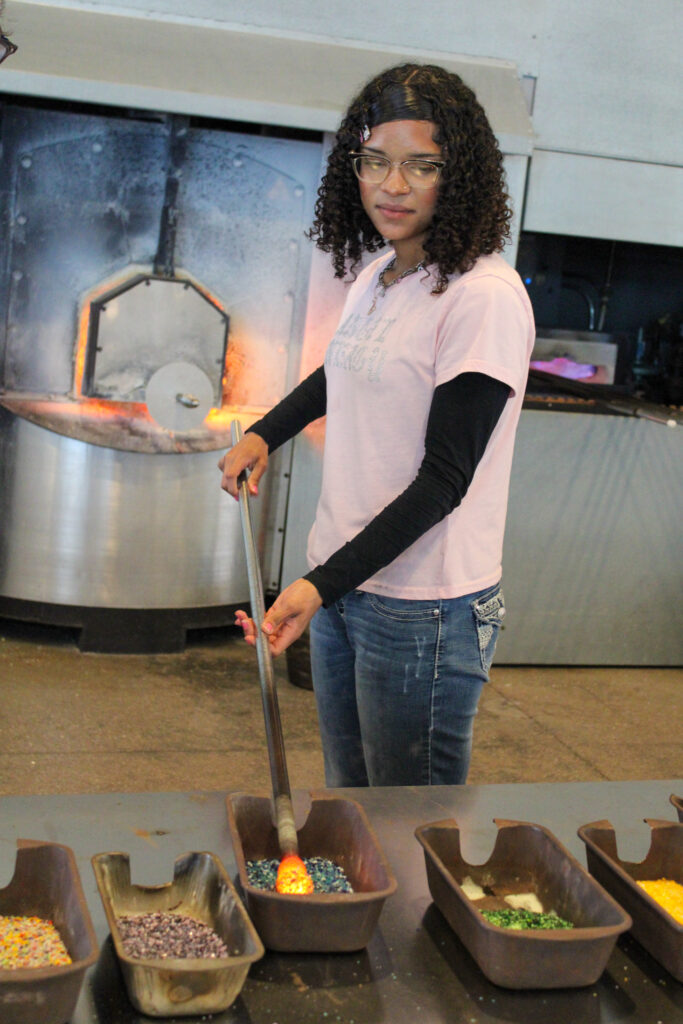
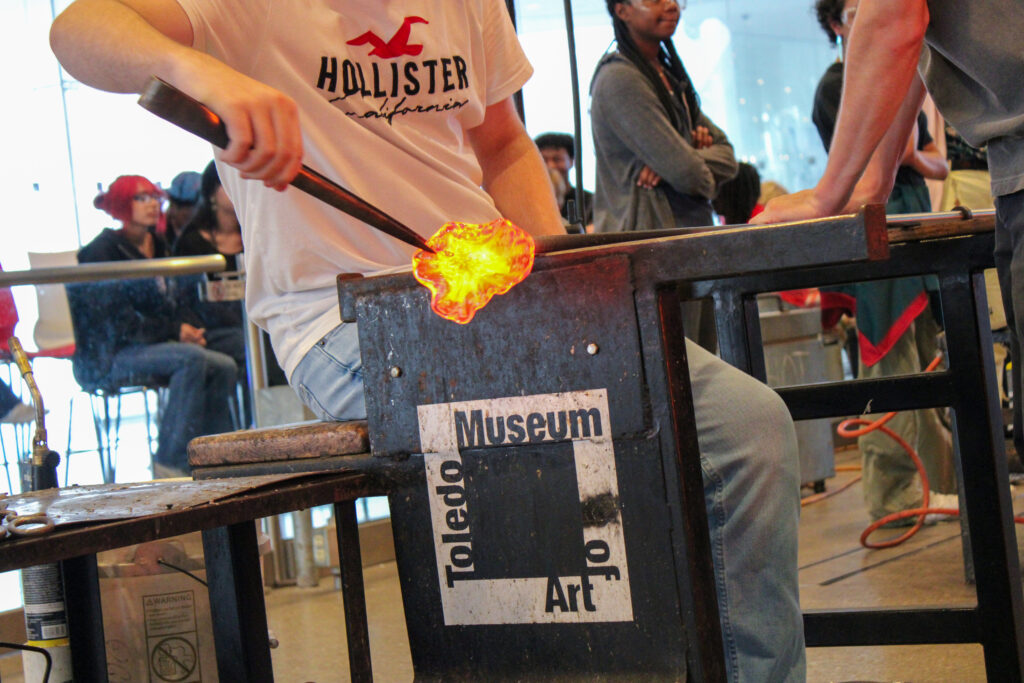
Toledoans are also given some credit for being pioneers in the glass-blowing and glass art trades.
Public Art in Toledo
The Arts Commission of Greater Toledo is an organization that advocates for inspiring community in Toledo using the power of art. They believe that support for regional artists is essential to revitalize the city and create a sense of place. To work towards this mission, The Arts Commission hosts various programs and public events that aim to stimulate the economy through artistic innovation.
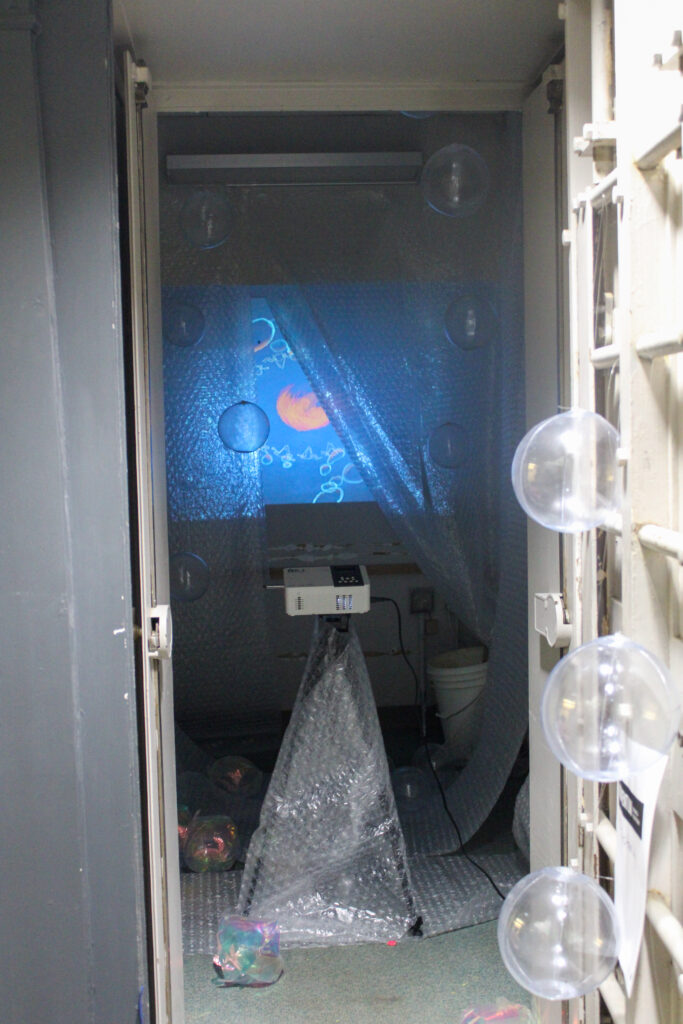
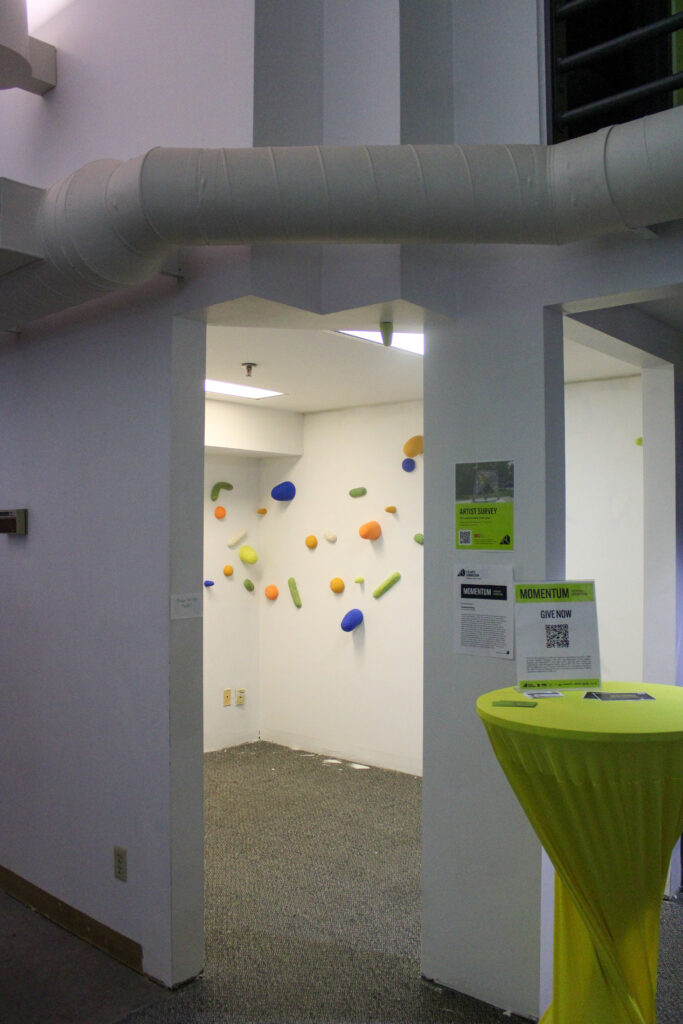
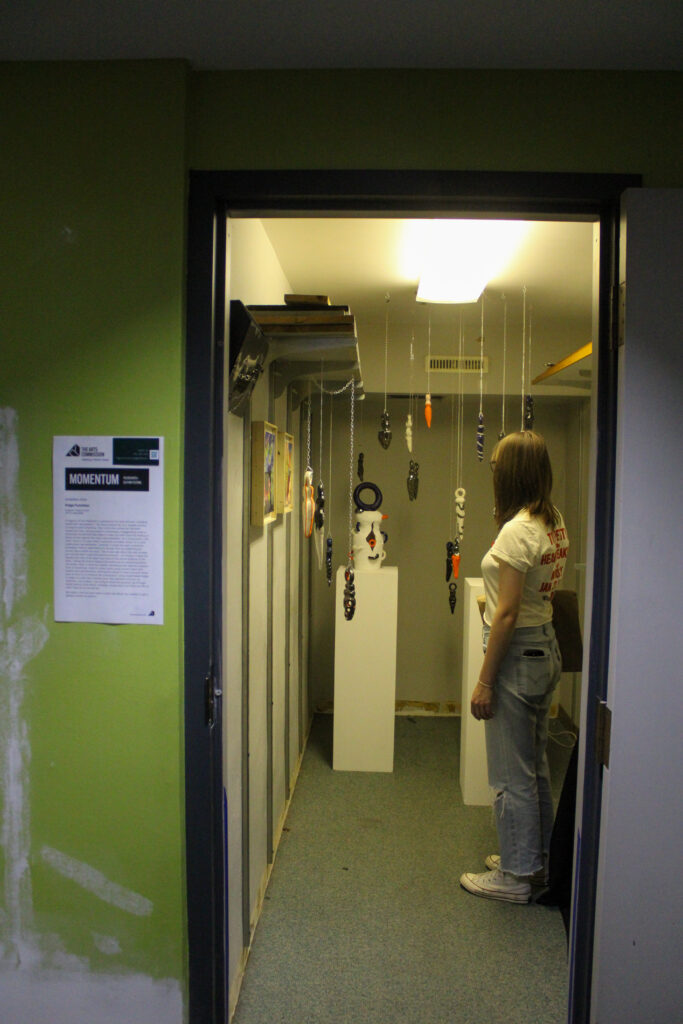
They also upkeep the city of Toledo’s vast and impressive collection of public art which includes a large variety of pieces including murals, sculptures and more.
In addition to this, they offer educational and professional opportunities for the youth population in Toledo, which I had the pleasure to be a part of as a teen. The Young Artists at Work program (YAAW) is just one example. It is a six-week summer employment opportunity for young creatives in the Toledo area. The program allows teens to get paid to learn new artistic techniques, gain experiences in artistic fields and attain professional skills needed for their careers.
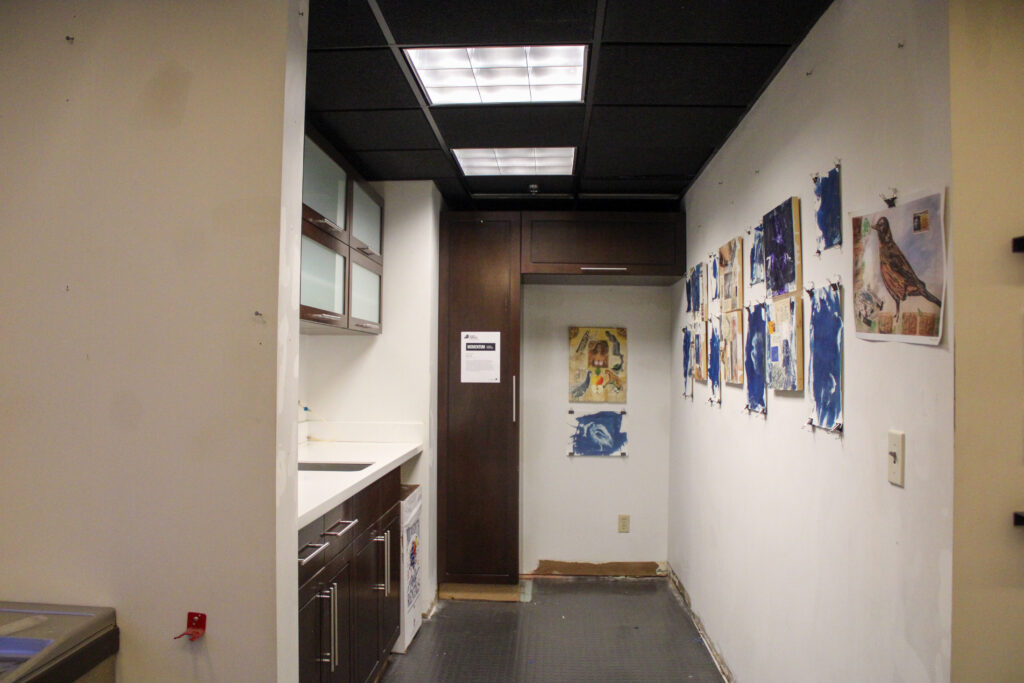
My first year in YAAW was spent learning, creating and connecting. I was assigned to the Dorr Street signal box group. My group had a mission to create numerous paintings and drawings that would be placed in the Junction neighborhood in Toledo. During those six weeks, I researched the rich history of Dorr street, met with members of the community and helped design artworks that reflected their stories.
When I was back home for a break, nearly two years after my box was first created, I drove by it to see a group of three young kids playing around it with their bikes. The painting was a part of my every day for the six weeks I spent creating it, and it made me smile to see that my art could be a part of their every day too.

YAAW 2022
Above, see me visiting my first ever YAAW project two years later. The signal box painting is based off of an archive photo I found when researching the history of Dorr Street. I added new ideas, colors and symbols (The Sankofa, for example) that matter to Dorr Street’s current community.
YAAW 2024
In my most recent year of YAAW, my team worked on a quilt-painting of a map of the area. There were many hurdles, but we were all able to depict the places we, and the community, treasure most. As team photographer, I took this photo on one of our final days working with the quilt. Dayanna, Ashton, Ethan, Brooklyn, Liz and Rachel laid with it during our lunch break.
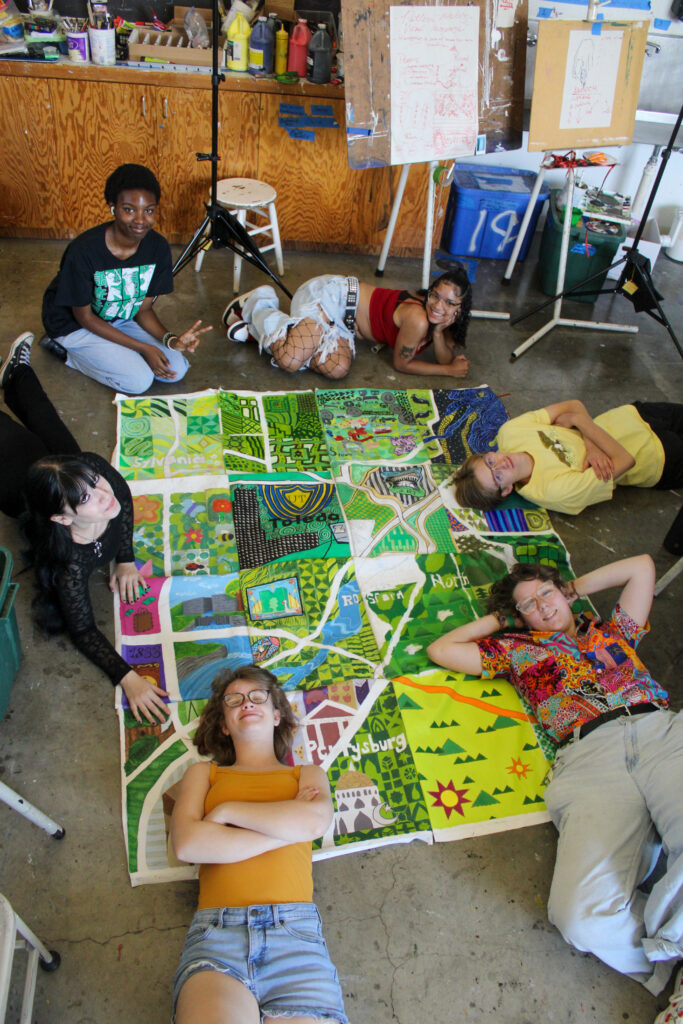
Because I have lived in the many of the small towns surrounding Toledo, there were times I felt disconnected from the city. But getting involved with the Toledo art scene has helped me feel like a part of it. Being a Toledo artist has made me a better leader and given me a new purpose and community.
The art scene itself is amazing, without a doubt. And I believe it is essential to bring young people into the artistic community because it allows the impact of art to become generational and therefore infinite.
Art in Society
Art, whether in practice or presence, is known to improve mood, regulate stress and stimulate the part of our brain that craves expression. In a 2023 podcast regarding the mental health benefits of art, psychiatrist Frank Clark says that “there is a hormone that is secreted by the body known as cortisol whenever the body is under stress, and there have been plenty of studies to show that cortisol levels can be decreased when we engage in the arts.”
Artistic activity, even for a few moments each day, can be remedial for some. Art and expression can help individuals process and communicate how they are feeling. When artists connect with their inner selves, there is room for connection with others too. Artists can connect over their creations in hundreds of thousands of ways. They can share ideas, skills, and, most importantly, experiences.
Public art programs help create a universal identity and character within a community. It enhances the economy and aesthetic while encouraging community engagement and pride.
The presence of art makes Toledo better because it helps us reclaim forgotten spaces, brings joy to both creator and viewer, and allows artists a chance to serve both their community and themself. It also inspires connection. We as a community are connected through our art because there is a shared identity: being a Toledoan.
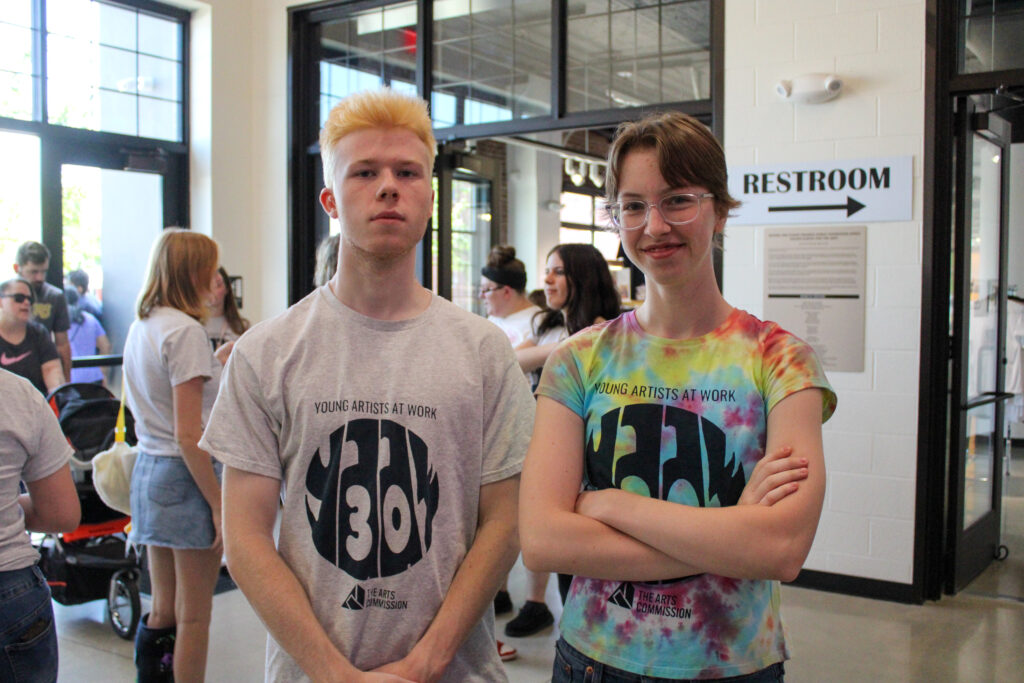

Ari Collins is a journalism student at Kent State with a special interest in politics, the power of young voices and art. She has previously freelance written articles and editorials for various papers and magazines, worked as a peer educator for Ohio Center for Sex Ed and an art apprentice for The Arts Commission. She understands that her work has opened a platform for her and uses it as a microphone for stifled voices and a space to spread awareness of the world’s most pressing issues.
 Reclamation